ReLINE
Realigning everyday plastic waste into sculptural statement tables for modern interiors
waste → worth
ReLINE, born from ReTile’s mission to create beautiful interior products with a clear go-to-market strategy. Is a collection of side tables that pair 100% recycled plastic table tops with a fully recyclable aluminium base.
Designed and manufactured in Aotearoa, New Zealand, each piece transforms locally collected plastic waste into a durable, yet visually striking surface that elevates living rooms, lounges, and commercial spaces.
ReLINE will spark conversations in your spaces around sustainability, circularity and realigning our waste streams into gorgeous products.
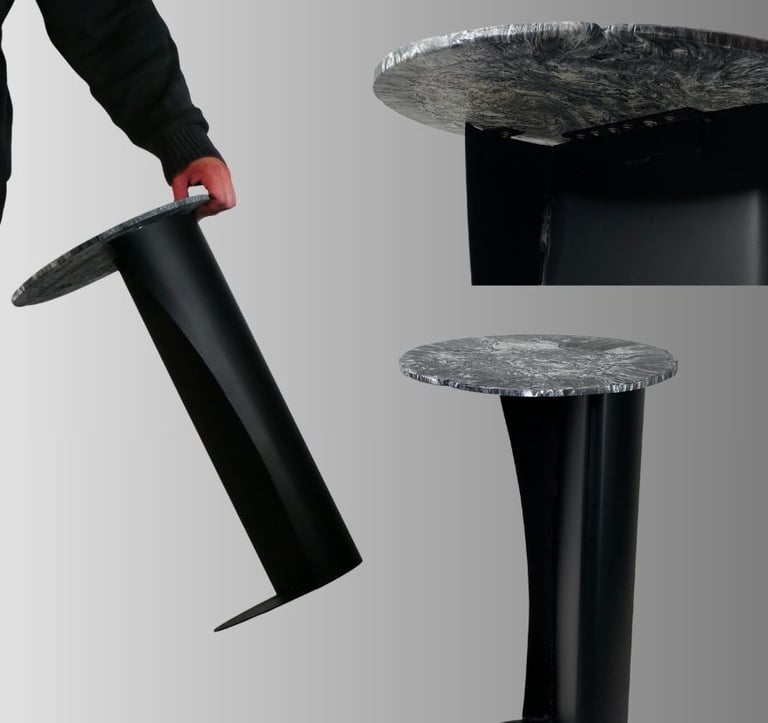
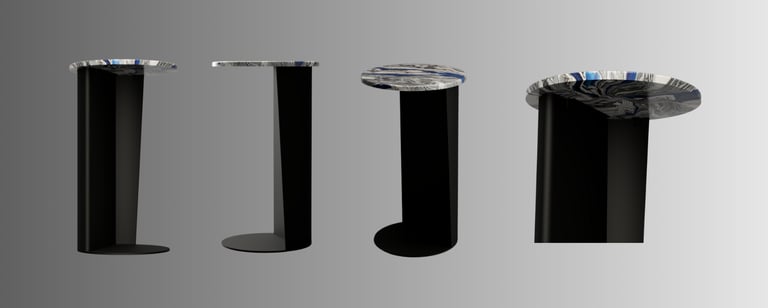
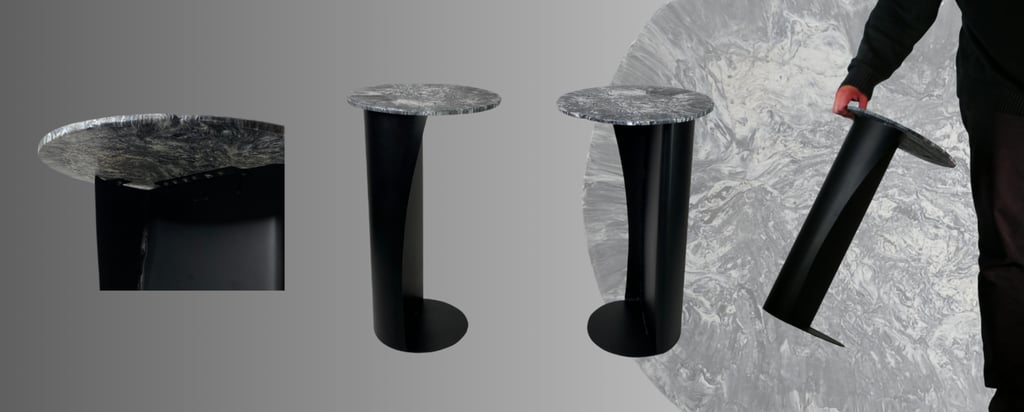
Product photos of prototype NO.1
IPD Final Year Capstone Project University of Canterbury Duration: 14 weeks
UCE Founder Incubator Programme 25/26




ReTile, began with a simple question: What if recycled plastic could be more than a low-value afterthought?
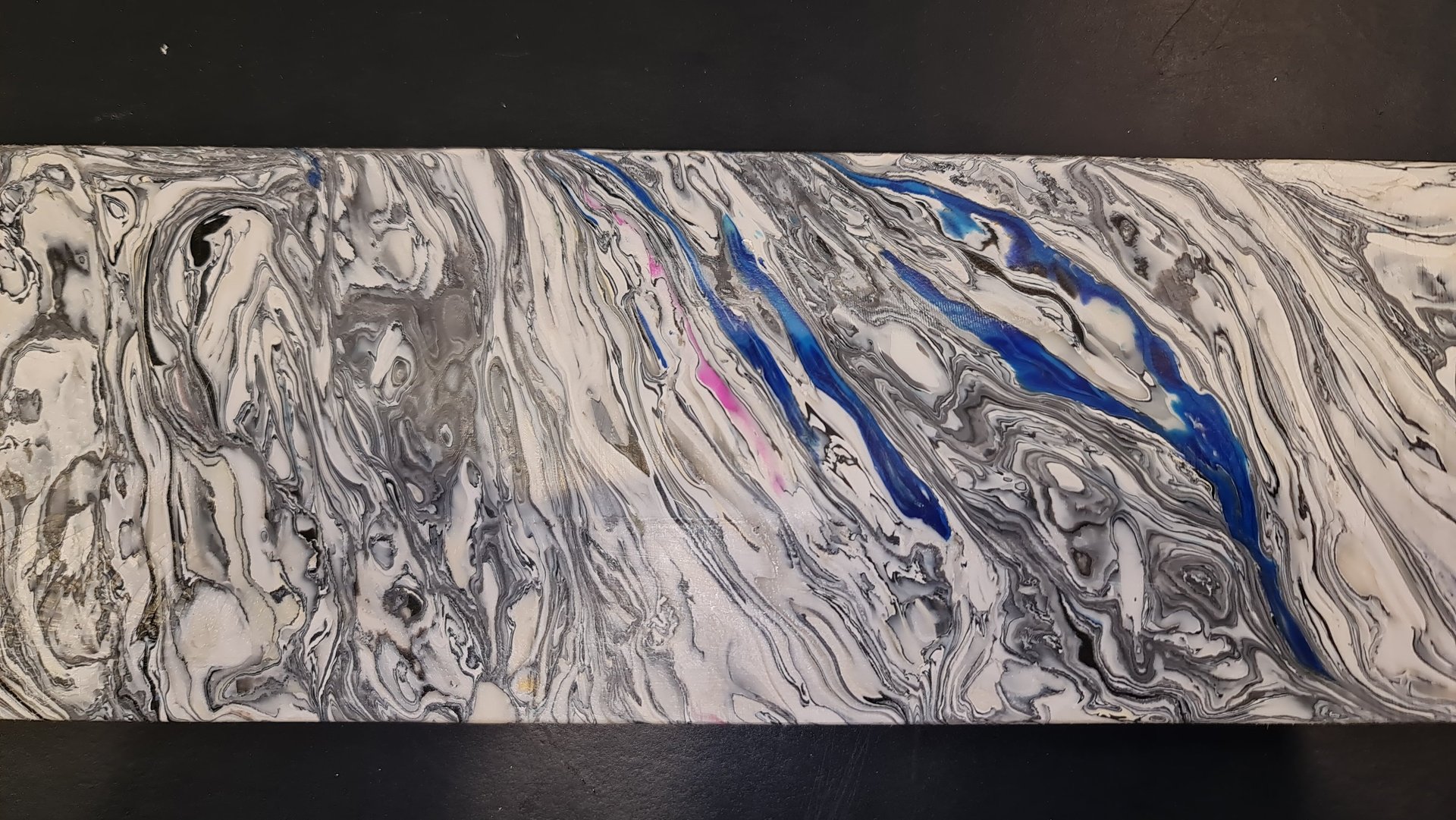
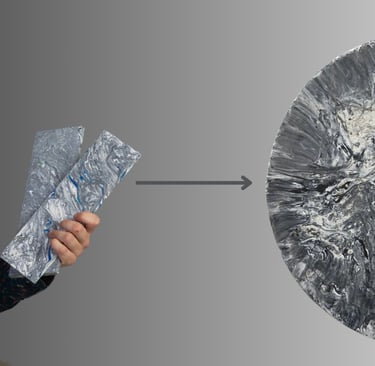
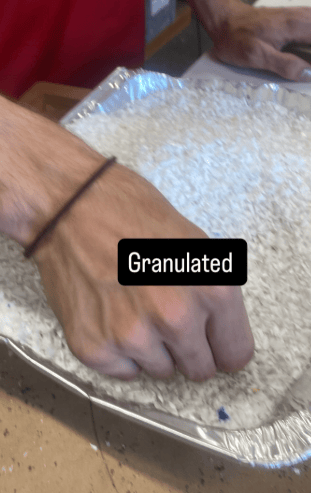
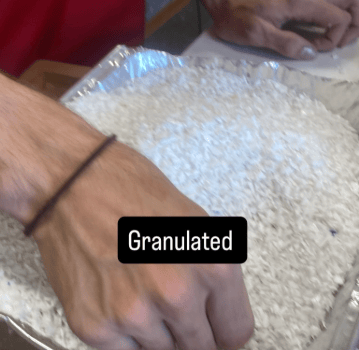
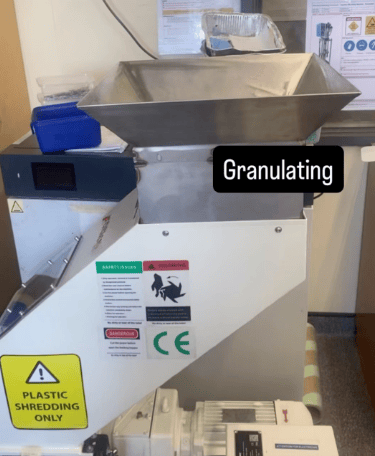
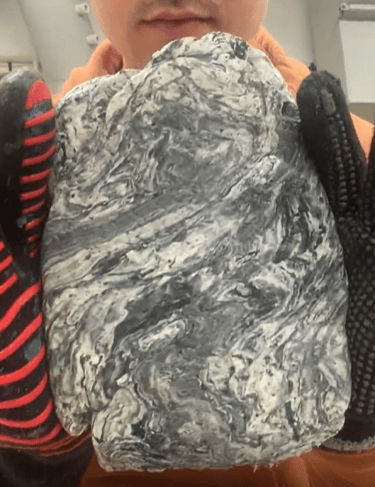
Through material experimentation with pressed recycled HDPE, we discovered we could deliberately control colour, veining and surface quality to create beautiful, stone-like sheets from plastic that would otherwise be downcycled or exported as waste.
This project aimed to find the next step in that journey – a way to showcase the beauty of recycled plastic in a product that feels at home in high-end interiors, not just in the recycling yard.

01 - Direction
From tile to table
Feild Research
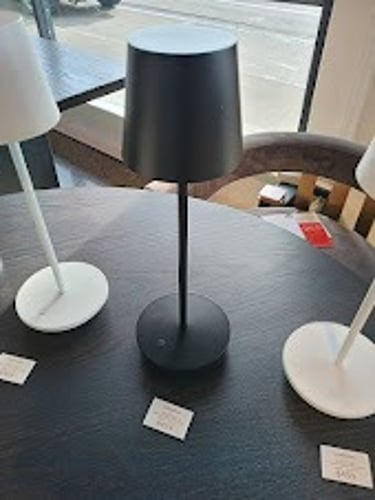
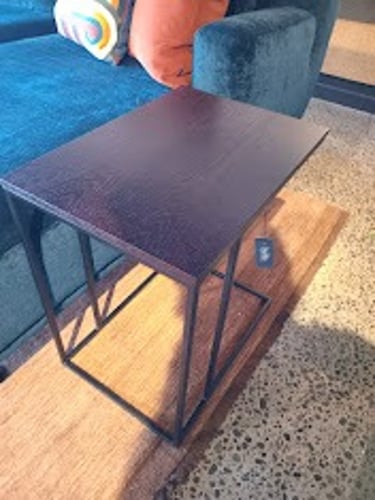
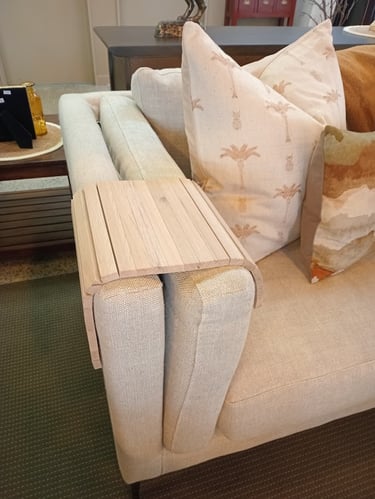
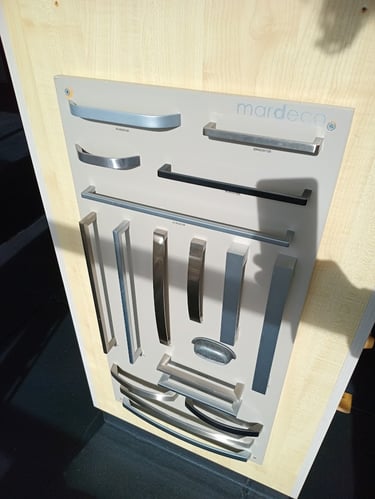
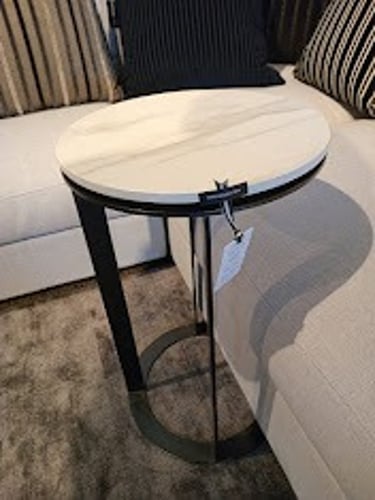
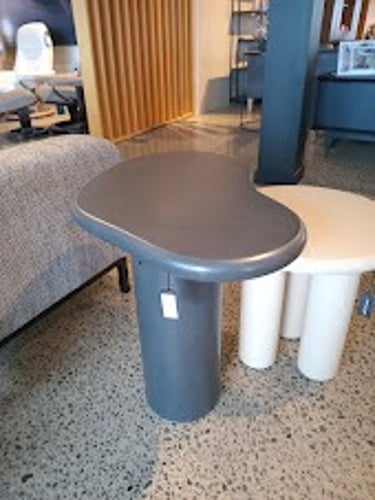
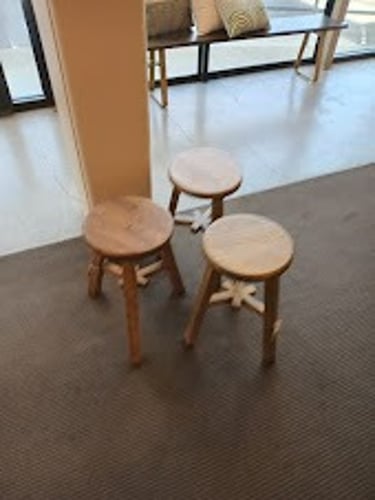
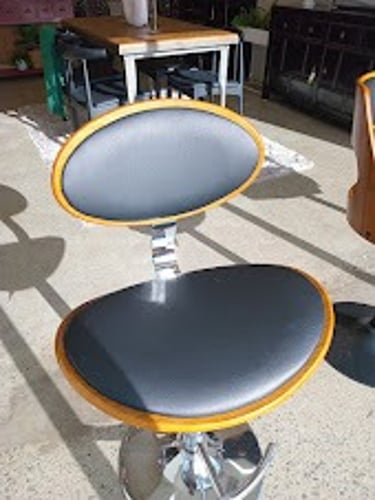
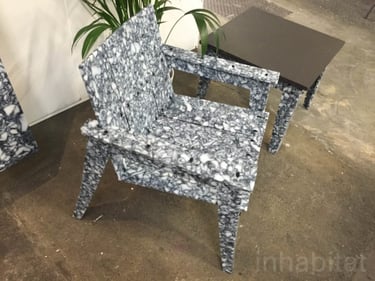
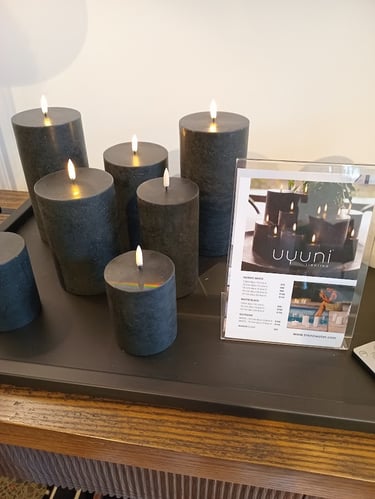
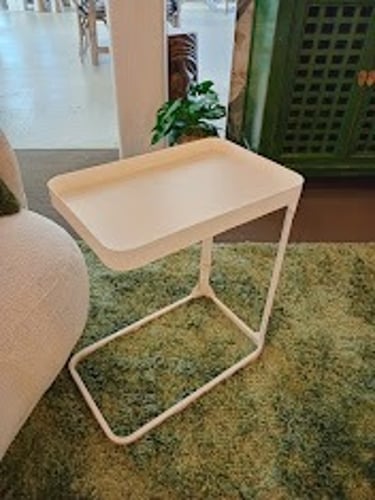
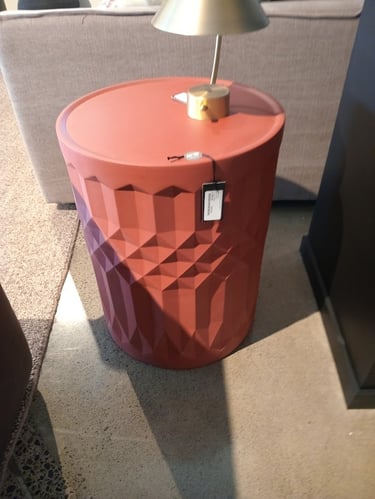
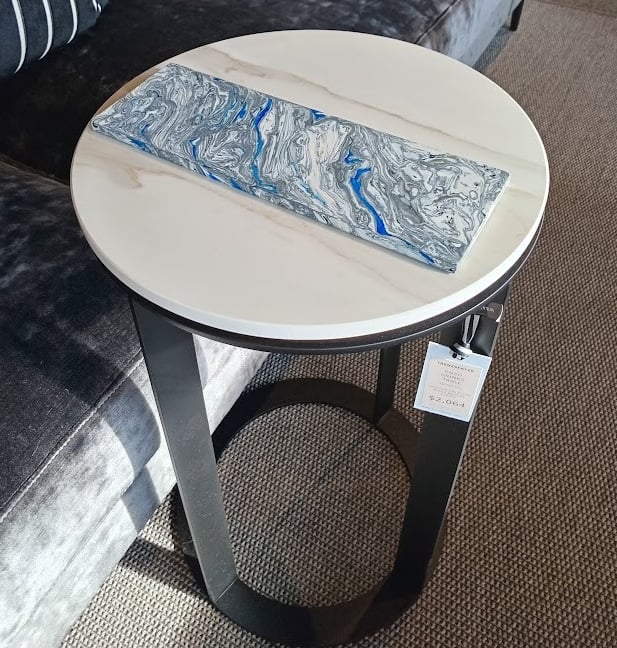
To understand where a recycled-plastic furniture product could realistically sit within the New Zealand interior market, I visited retailers such as Trenzseater, Early Settlers, and M&W to study form, scale, pricing, and aesthetic expectations. Photographing potential use cases in these environments helped inform my further research.
Book Research
A review of existing recycled-plastic furniture revealed a consistent market pattern: although many products are environmentally responsible, they often fail to achieve a high-end aesthetic, resulting in lower price points and limited appeal to premium interior buyers. This gap highlighted an opportunity for ReTile to elevate recycled HDPE beyond its typical “eco-product” appearance and instead position it as a luxury, design-led material.
Stakeholder Interviews
Alongside this retail analysis, I conducted interviews with five key stakeholders, including Jonathan Custance (creator of Agile Wall) and Michelle Backhouse (Co-Director of Backhouse). Their insights into materials, market expectations, and commercial viability played a significant role in validating that an Interior product that utilises beautiful r-plastic is a market opportunity and the right product direction to pursue at this stage of ReTile’s development.




Market Opportunity
As a conclusion of my desktop, market, user, and stakeholder research, it has become clear that there is a significant opportunity to contribute to a better future for recycled-plastic interior products. The main potential lies in moving beyond low-value, utilitarian applications and instead creating simpler, more robust, and visually refined solutions that deliver genuine aesthetic and functional appeal.
Design a practical, beautiful, commercially viable side table that fills a clear market gap to prove recycled plastic can be elevated to fit in premium, modern interiors.
02 - Design
Fitting the market opportunity
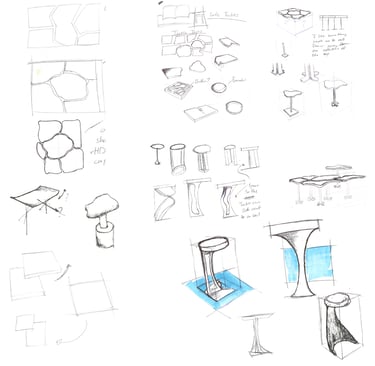
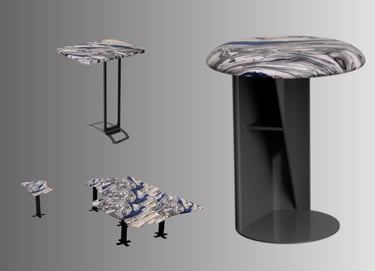
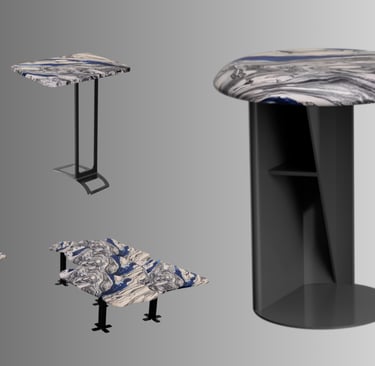
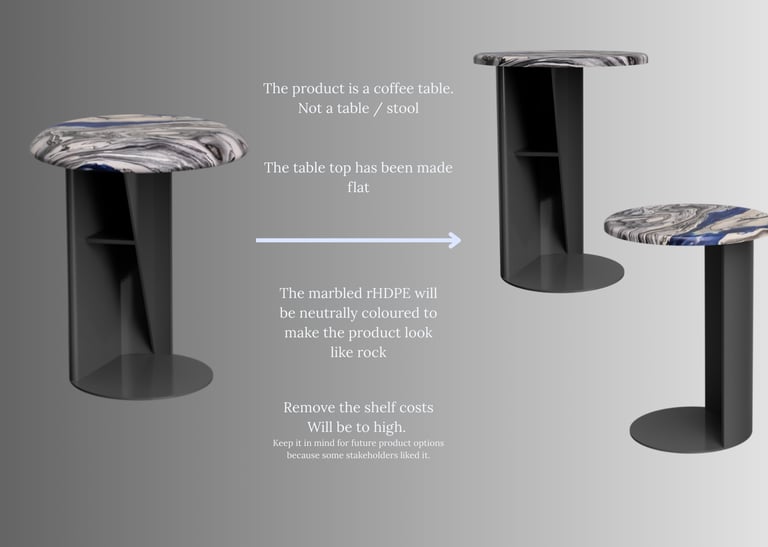









Concept Generation
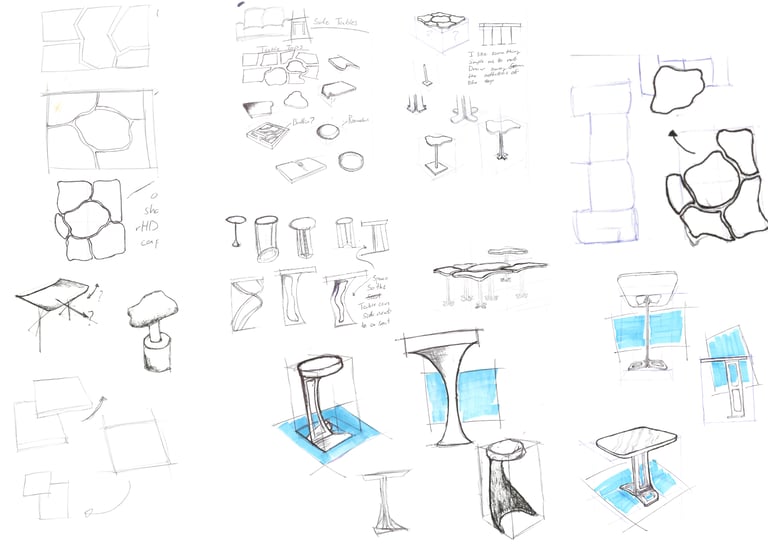
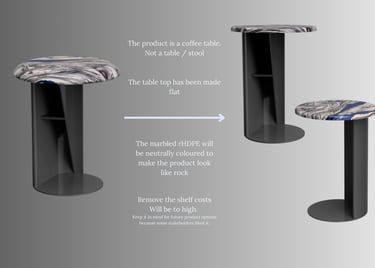
3 Concepts
Decision based on stakeholder feedback
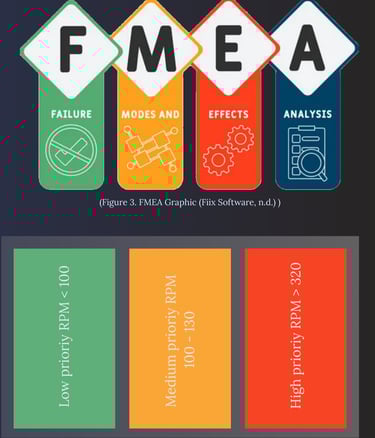
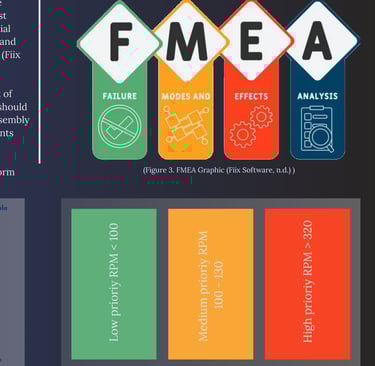
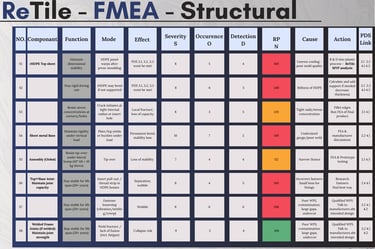
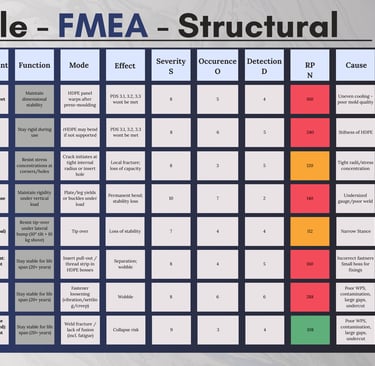
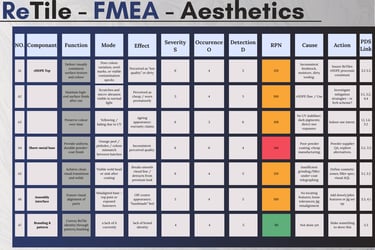
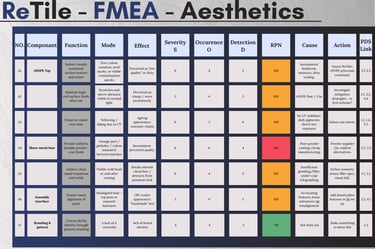
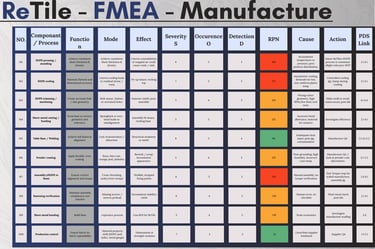
FMEA to inform decision-making
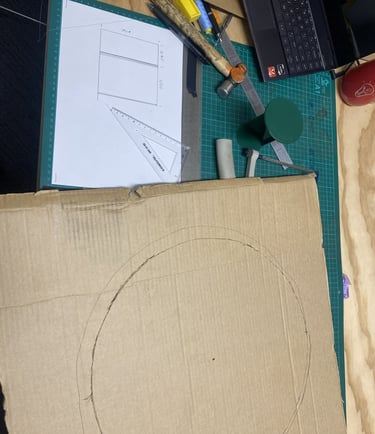
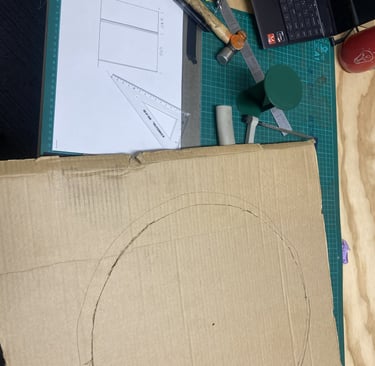
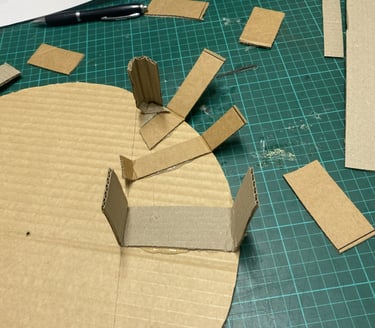
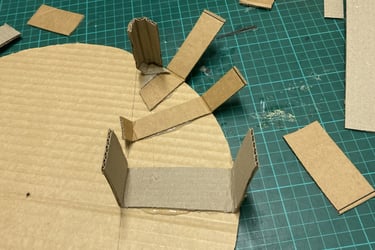
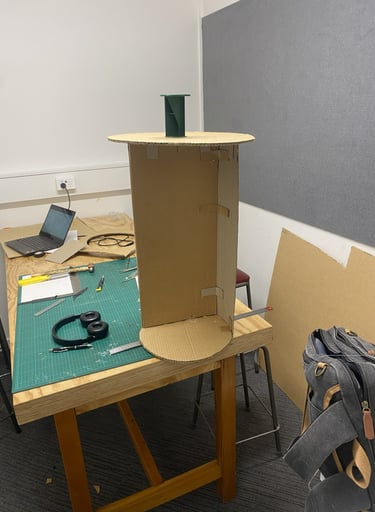
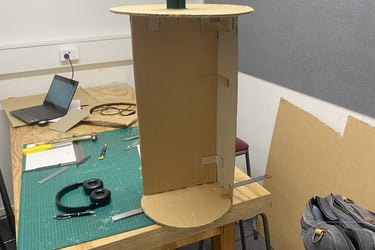
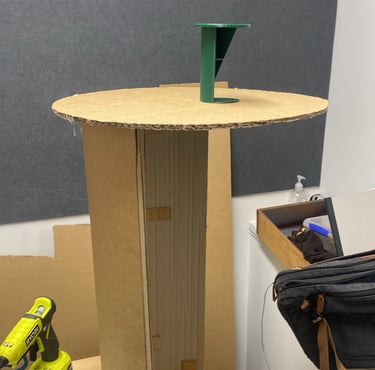
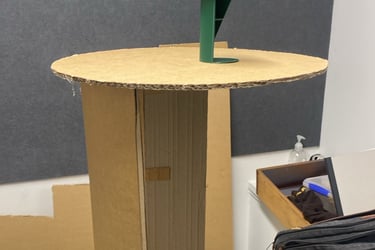
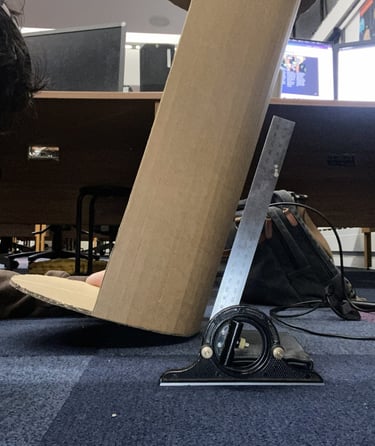
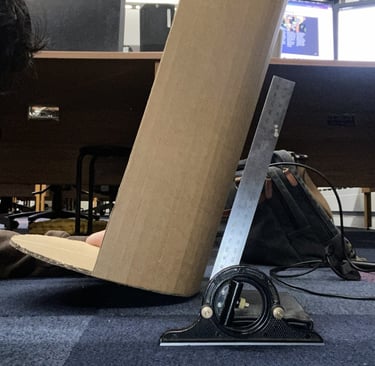
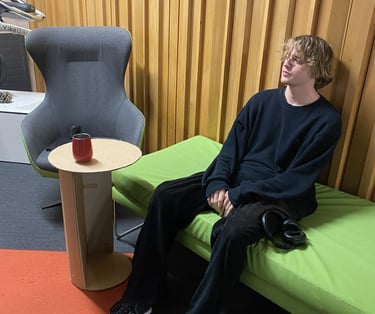
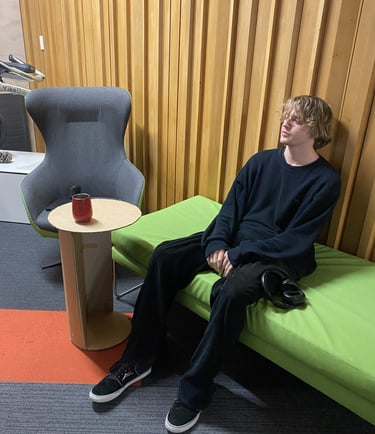
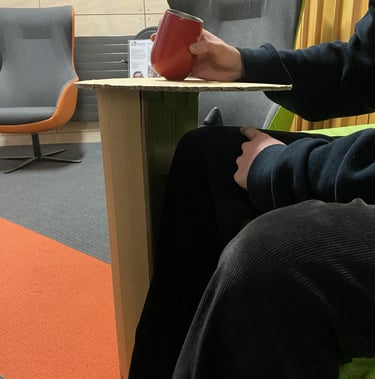
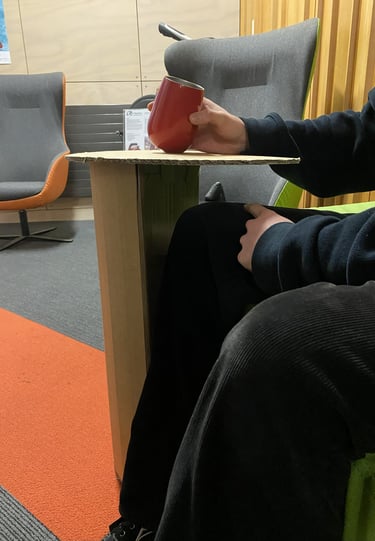
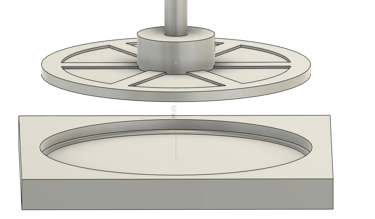
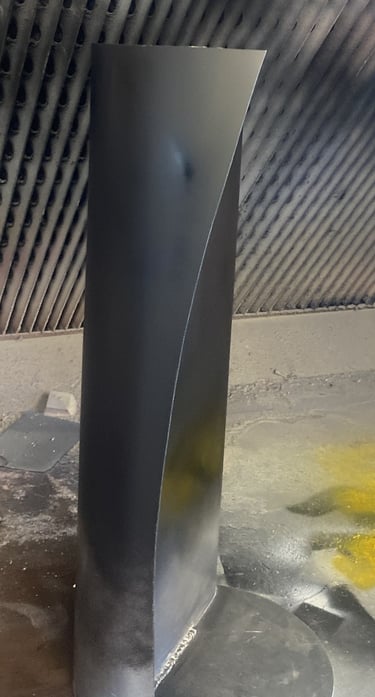
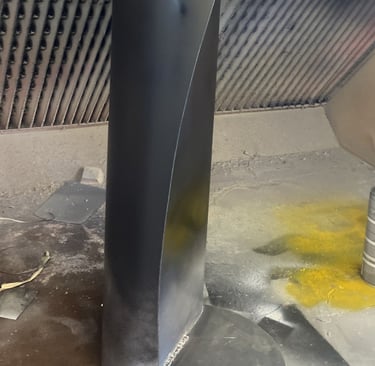
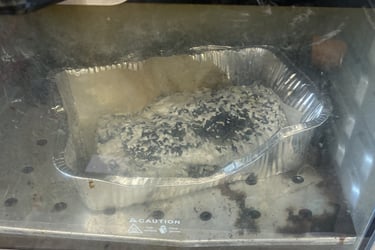
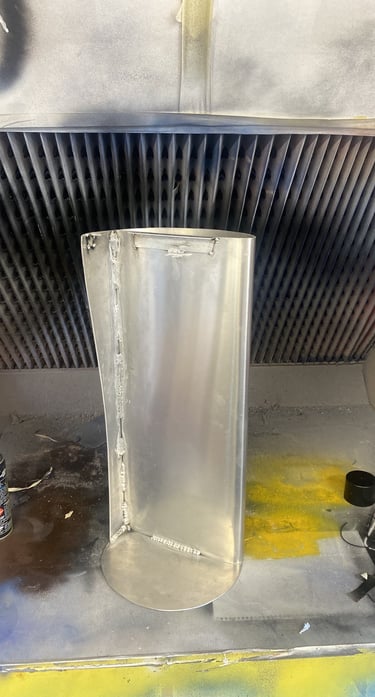
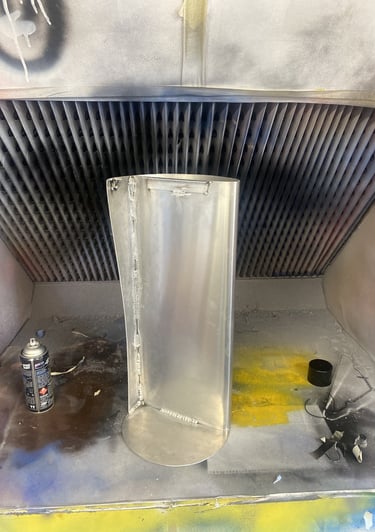
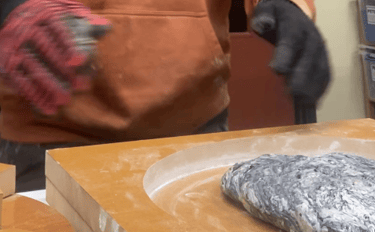
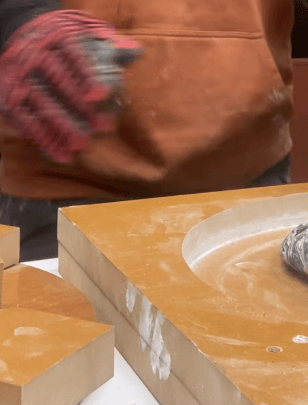
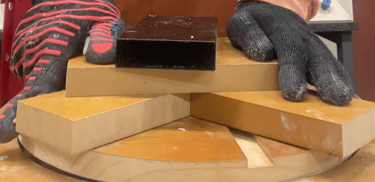
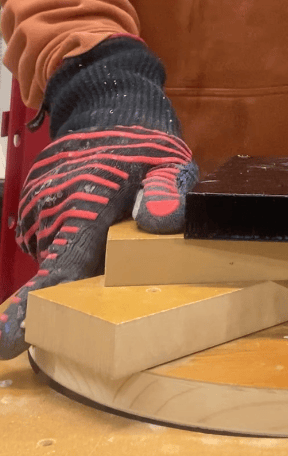
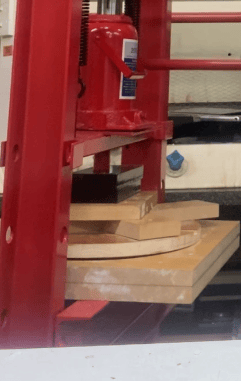
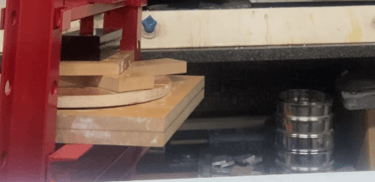
Cardboard prototyping, ergonomic analysis & validation of manufacturing methods
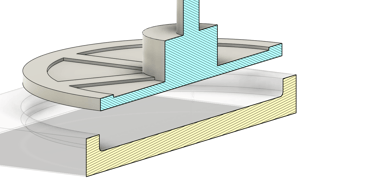
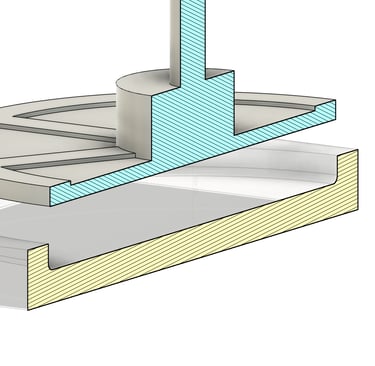
Press Design
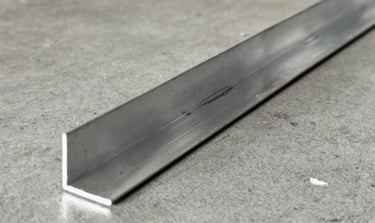
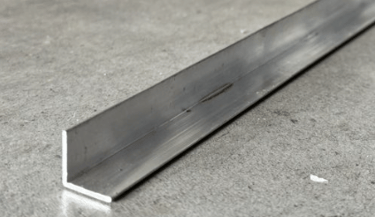
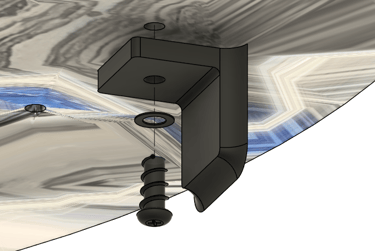
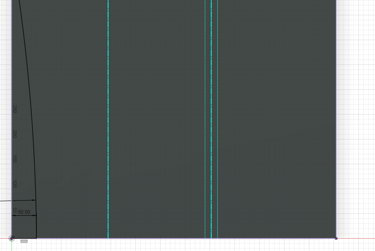
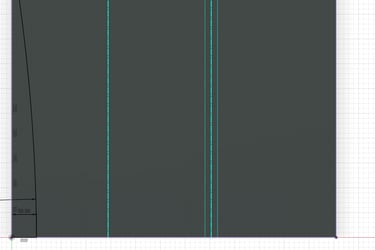
Fixing Design
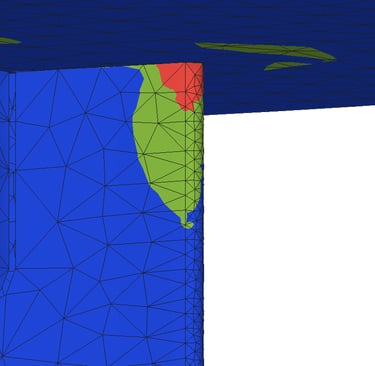
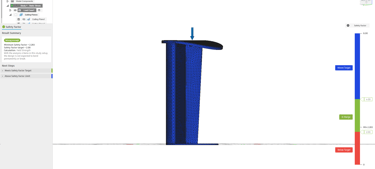
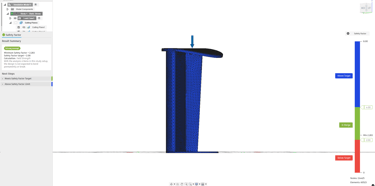
FEA leading to design change
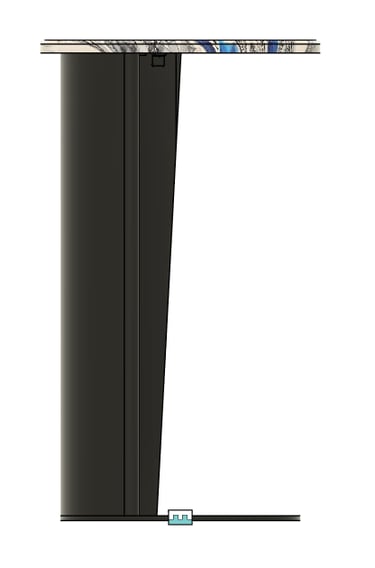
Ergonomic Validation
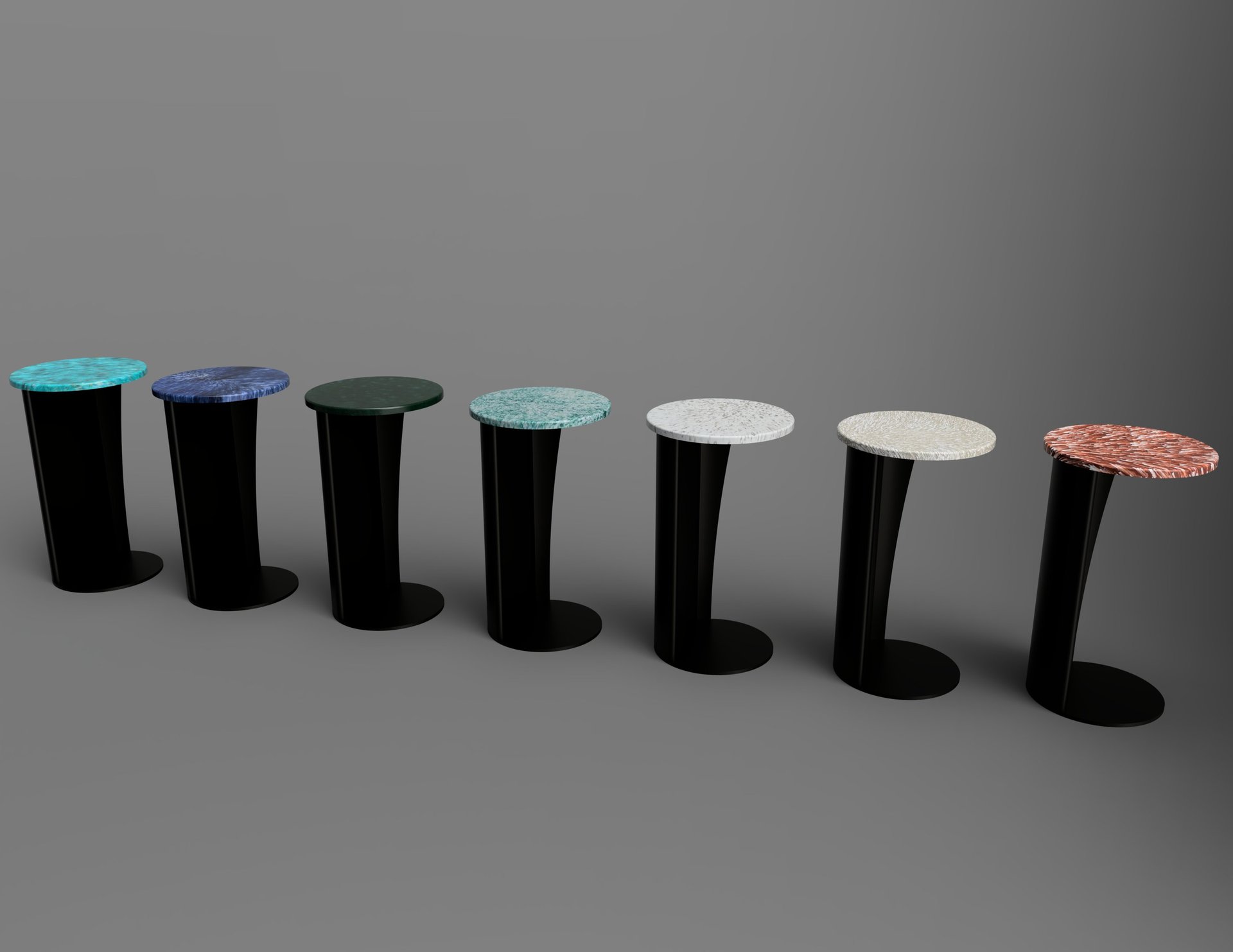
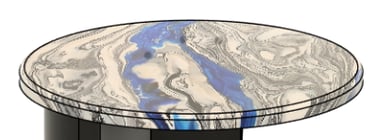
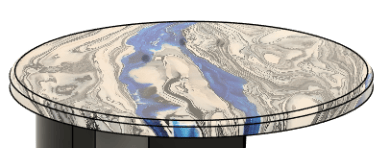
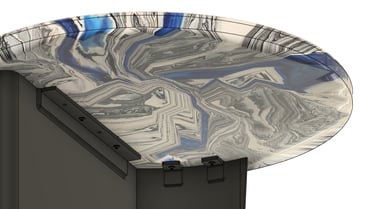
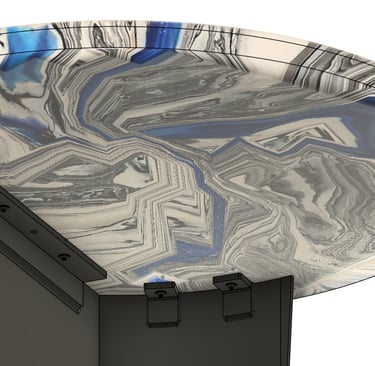
Renders of the first prototype
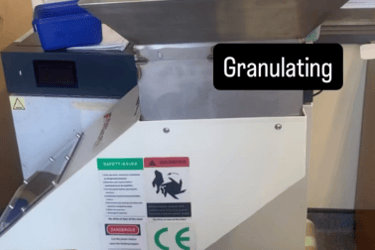
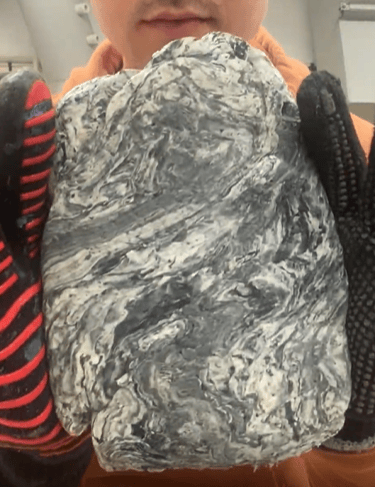
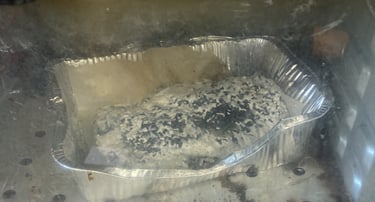
From waste to tabletop, creating the project’s first fully functional prototype.
03 - Final Design
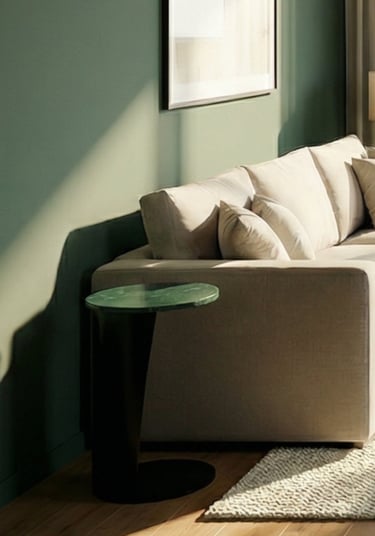
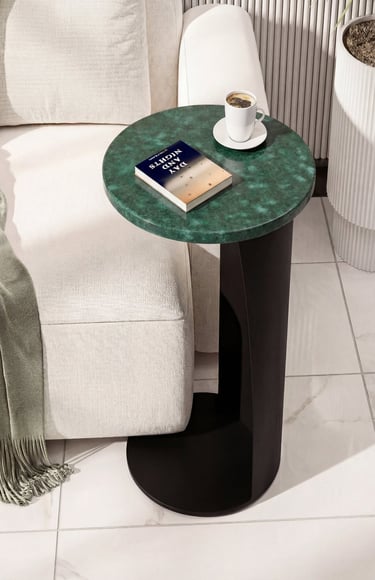
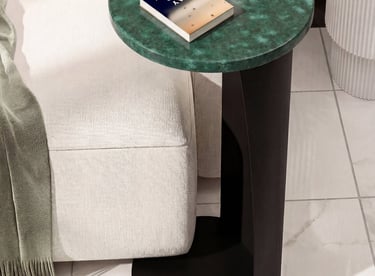
The Table
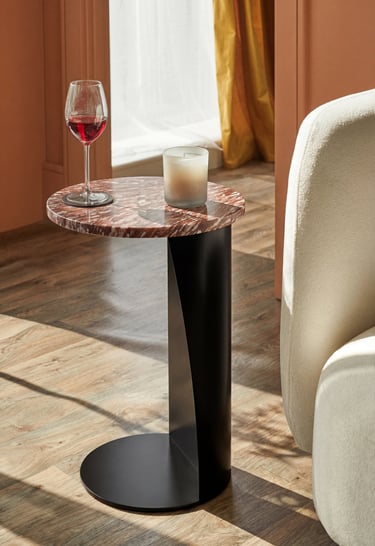
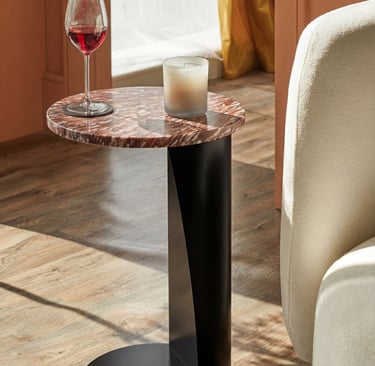
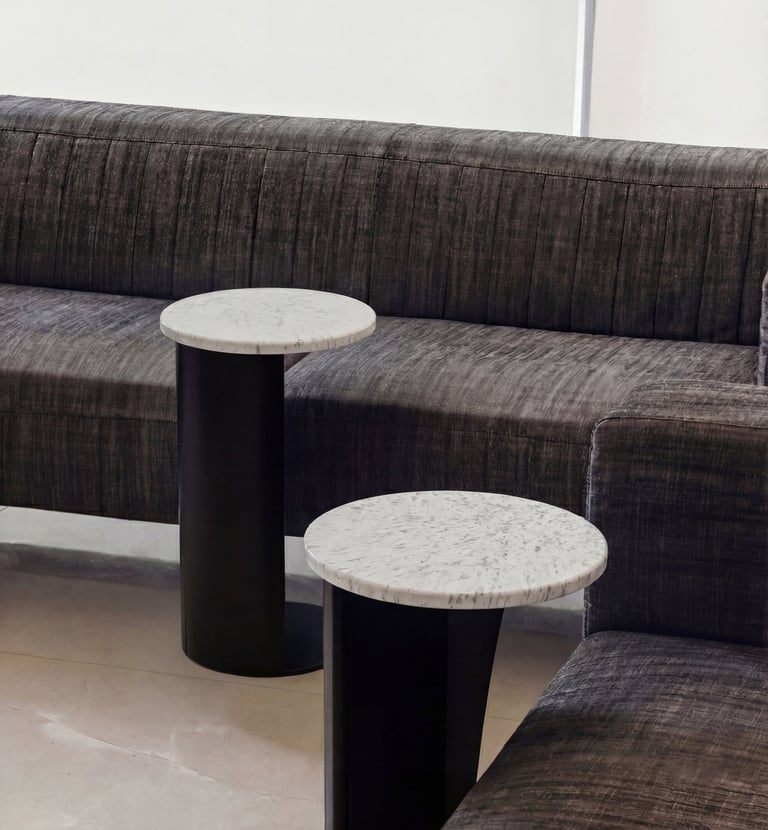
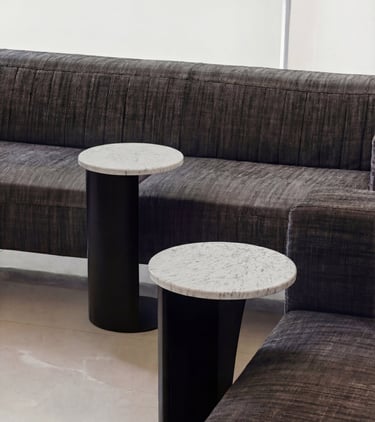
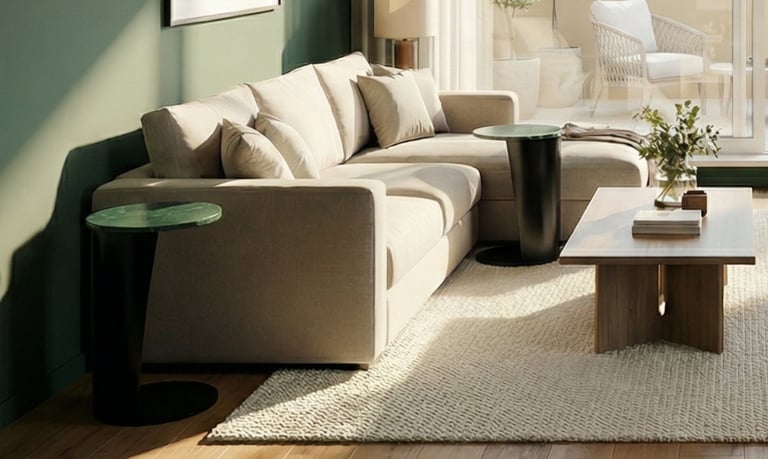
ReLINE is a celebration of circular design, where material choice, form, and assembly are deliberately aligned.
The table pairs a 100% recycled HDPE tabletop with a fully recyclable aluminium base, allowing the unique character of recycled plastic to be expressed rather than concealed.
Designed for durability and disassembly, ReLINE demonstrates how waste materials can be reimagined as refined, high-value furniture for modern interiors.
The Business
The table utilises CRITICAL Cleanstone as the tabletop material to enable faster commercialisation.
Early revenue from this approach is intended to fund ReTile’s next phase (the development of an in-house recycled-plastic manufacturing unit) and facilitate ongoing R&D within the waste economy as ReTile strives to inject value into the waste management sector.